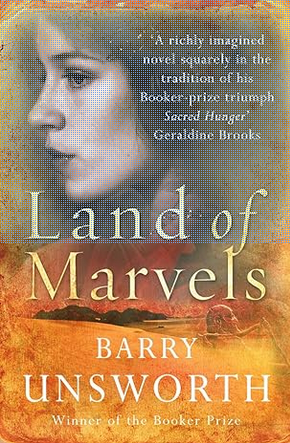
It is 1914, scene of a dig in Mesopotamia, now part of Iraq. Somerville is an archaeologist obsessed with the need to make a significant find before German engineers drive the railway from Baghdad through the site, as is likely. He is probably aware that the power of the Ottoman empire is crumbling, but cannot know, as we do, that the First World War is about to break out, while fierce competition to find and drill oil is gaining pace.
This slow-paced tale puts the pieces in place to reach a sudden, dramatic climax. Switching between points of view as he gradually develops the strands of the plot, Unsworth creates a cast of varied, interesting if not always likeable characters. He arouses some sympathy for Somerville, even for Jehar, the worker with a criminal past who sells him false local information, as a way of obtaining the money he needs to get permission to marry a girl who has caught his eye. Will the various devious characters involved get their just deserts?
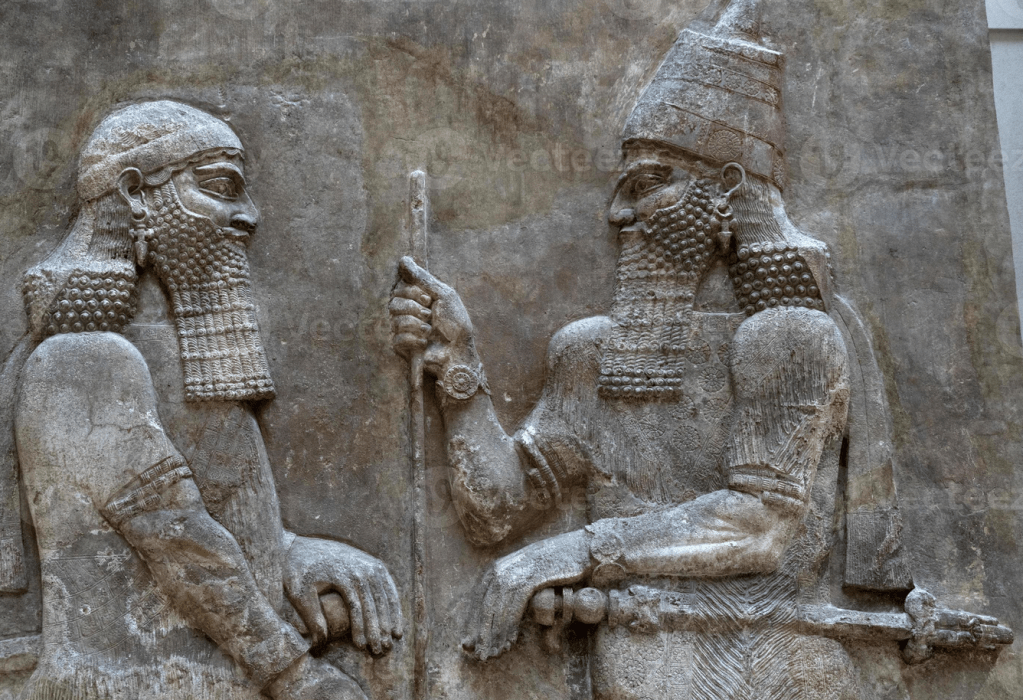
Unsworth must have done a good deal of research to create such a strong sense of place, some awareness of ancient Assyrian history, ruled by kings with unpronounceable names – Ashurnasirpal and Sîn-shar-iskun – not to mention a grasp of the geology of oil-bearing rocks. Although he succeeds here in his aim of capturing “the spirit of the age”, his instructive descriptions can be dry and quite hard to follow. A few maps and diagrams or photos would have been helpful, but perhaps out of place in the literary work of an author who won the Booker Prize in 1992 for “Sacred Hunger”, and was also short- or longlisted for four of his seventeen novels.
Although he taught creative writing, Unsworth did not employ any of the now frequent devices of, say, a dramatic prologue to hook the reader, or short punchy chapters which alternate between two main threads. He expects the reader to make an effort and concentrate, which may make him appear a slightly old-fashioned writer in a world of sound bites, short attention spans and expectations of instant gratification. Although I found some of the scenes too wordy and long-drawn-out, the plot is interesting and well-constructed. It reminds us of the background to the current state of the Middle East, and encourages us to draw parallels between past and current events.
I would also recommend “Sacred Hunger,” its sequel “The Quality of Mercy”, “Pascali’s Island” which was Unsworth’s first foray into historical fiction, and “Morality Play.” I hope he is not being underestimated nor fated to fade from memory too soon.

