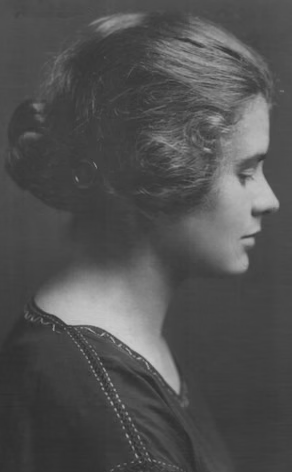
Born in San Francisco in 1866, Emilia de Valle is the daughter of Molly Walsh, an orphaned Irish immigrant who, despite being a devout novice nun, is seduced but abandoned by a handsome young Chilean from a nouveau riche family. Emilia and her mother are saved from disgrace and poverty by the kindly, too good to be true, Don Pancho Claro, who runs the small school where Molly has been teaching under his wing.
While still in the teens, Emilia begins to earn money through writing lurid “dime” novels, using salacious plots improbably suggested by her pious mother. The drawback is that she has to publish under a male pseudonym, “Brandon J. Price”. Confident and ambitious, she talks her way into writing a regular common for a newspaper, “Examiner”, soon persuading the editor to permit her not only to accompany a male work colleague, Eric Whelan, to Chile to cover the outbreak of civil war, but also to write under her own name. Her motivation is partly to learn more about the country of her father’s birth, but she has also undertaken to track him down and deliver a letter from her wronged mother, filled with bitter reproaches, including a demand that he should recognise his daughter, “restoring everything she was rightfully owed”.
Very thoroughly researched, this reads more like a memoir than a novel. A limitation is that, writing in the first person, Emilia is too often reduced to description of events where she was not present, perhaps even born. To overcome this weakness, she seems remarkably successful in obtaining interviews with influential people, up to the level of president! The narration is weighed down with details, which tend to dominate rather than serve to underpin authentic scenes. Admittedly, every digression from the main plot which I checked, turned out to be true. There really was a celebrity American belly dancer called Omene, dubbed “the Divine Odalisque”, featured in thirteen cards distributed in packets of tobacco – likewise a certain Victoria Woodhull, American leader of the movement for women’s suffrage, but also a campaigner for “free love”, which sometimes landed her in gaol.
Isabel is a prolific, best-selling, award-winning writer, regarded as the leading South American female author. It is a matter of taste, but I tend to agree with reviewers who have found the style somewhat stilted and clichéd. This may be partly due to the translation into American English. For instance, the description of Santiago refers to the “telluric energy that defines the proud, serious and stoic nature of the Chilean people” – if you look up “telluric” in the dictionary, you will probably conclude it isn’t the best word to use. Similarly, we read of former Chilean President “Balmaceda’s henchman’s prepotency” and get distracted wondering what it actually means. Dialogues often jar because they seem too modern for the nineteenth century.
Overall, I find the characters too exaggerated in some cases, two dimensional in others. More time, could have been spent, for instance, showing us the growth of a relationship between Emilia and her fellow journalist, Eric Whelan. There are too many coincidences or far-fetched situations, not least in Emilia’s final escapade.
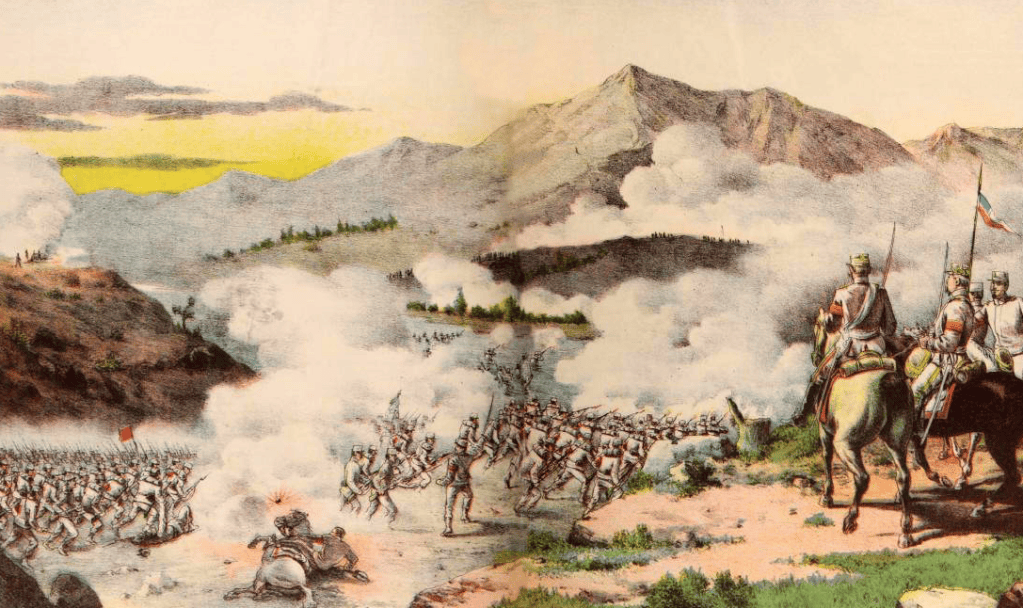
Ironically, despite all the detail, it was hard to grasp fully how the Chilean civil war arose in 1891, and which side may have been more justified. Yet in a novel which carries one along without arousing much depth of emotion, some of the most vivid and moving writing relates to the grim battle scenes. Emilia is at her most authentic and convincing when she observes,
“How is it possible that, from the dawn of their presence on earth, men have systematically set out to murder one another? What fatal madness do we carry in our soul? That propensity toward destruction is the original sin”.