The First World War may seem an overused theme for a novel, but Robert Harris approaches it from a fresh angle by portraying the real life situation of a British Prime Minister under great political stress, as strongly resisted demands for Irish Home Rule were eclipsed by the imminent threat of strife in Europe in the summer of 1914. Herbert Asquith found relief in an unwise affair with an aristocratic socialite less than half his age. He was known to enjoy the company of pretty young women, described by his sharp-tongued wife Margot as his “harem”, but Venetia Stanley was different with her obvious intelligence and ability to act as a sounding board for his concerns.

At times it is hard to credit how Asquith was able to walk about without any apparent security guards, or find time for long afternoon drives with Venetia in the countryside, cocooned behind blinds in the back of his chauffeur-driven Mercedes. Most extraordinary, at a time when London households might receive up to 12 postal deliveries a day, as Asquith’s obsession with Venetia grew, he wrote several times a week, on at least one occasion four times in a single day. With an increasing lack of caution, he gave her unique access to classified information, including telegrams, details of military plans or sensitive issues which were being covered up.
Venetia kept more than 500 of these letters, which have survived to be selected for inclusion in a skilful blend of fact and fiction, for Asquith himself later destroyed Venetia’s replies. Robert Harris has also been obliged to invent Paul Deemer, the imaginary policeman who is transferred to a secret team to investigate the apparent security leaks from the Prime Minister’s office. In later chapters, Deemer feels ineasy as a voyeur, intercepting love letters laced with sensitive information which amount to the politician with the highest office in the land committing a serious offence. Why is Asquith doing this, and can Venetia be trusted? What damage will be caused if the situation comes to light? If it remains concealed, what are the unintended consequences?
Certain aspects of the plot, involving Deemer for instance, seem too contrived. Some reviewers have found the pace unduly slow, or felt unable to care enough about the main characters: a self-indulgent older man and pampered, aimless younger woman. There are moments of high tension, although inevitably sapped for readers wise after the event, such as the disastrous Dardanelles campaign which portrays Churchill in a poor light.
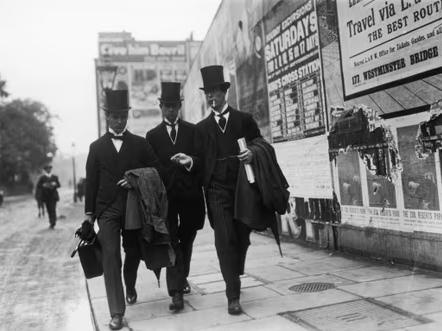
The plot may be thin, but the author is probably more concerned to capture a sense of time and place: a deferential society in which wealthy, privileged people were above the law, protected from the need to face up to their actions; a world where intelligent young women were discouraged from pursuing any ambition or self-fulfilment other than marriage to suitably rich man. Yet an unexpected tragic and pointless war gave them the scope to do “men’s jobs” and widen their horizons.
This is essentially a psychological study of obsession, in which, while seeing their flaws, we can feel some sympathy for Venetia, Asquith, and even his wife Margot, clearly wronged, but portrayed as irritating and unpleasant. We may feel relief over the shift in Venetia’s thinking as she begins to find Asquith’s neediness oppressive, but her decisions at the end seem highly questionable.
 Antenna Reviews