A bestselling French author of crime fiction, Olivier Norek was also a scriptwriter for the addictive television series “Engrenages” or “Spiral” in English. In “Impact”, he has chosen to use a thriller as a vehicle for confronting us with the extreme consequences of climatic change, particularly in parts of the world little known to those most responsible for aggravating the problem. His serious purpose, perhaps fed by years spent as an aid worker, is indicated by the references supplied at the end to support every adverse effect described.
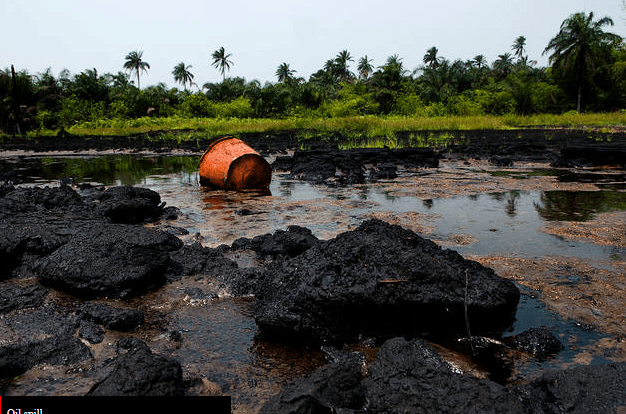
His opening chapter sets the tone with a graphic description of the Niger delta, where leaking oil pipes have polluted the land, forcing the evacuation of the local population to a coastal “bidonville” shanty town. The bodies of the many who have already died are burned, presumably to prevent a greater pollution at the price of a lesser one, not to mention the lack of humanity involved. Subsequent digressions transport us to a range of far-flung places under pressure, like northern Siberia, where hungry polar bears forced southwards by the melting of ice caps terrorise the residents.
Already shaken by his experiences in Nigeria, soldier Virgil Solal is devastated by the loss of his infant daughter, only a few moments after her birth. Doctors assure him that despite living in the attractive district of Bercy Village, the foetus must have been fatally damaged by the effects of air pollution from the nearby ring road and cement works. This is the trigger for Solal to assume the role of an ecowarrior, heading up a direct action group, “Greenwar”.

This novel may well stir the emotions, prick the conscience and alter the mindset of readers. It may also prompt discussions which the writer did not intend.
The wildfires raging through the Hollywood Hills as I write, leaving a landscape reminiscent of Gaza, may prove to some that the scale of potential global catastrophe cannot be exaggerated. However, such scenes as the Indian family taking refuge on their kitchen work tops not just from the rising water but the snapping jaws of the crocodile lurking in it appear too far-fetched. Likewise, the rapid rise of a global cult, supporting Solal with his assistants dressed in panda suits with distinctive mock red facial scars seem improbable. We are assured of the effort to minimise the impact on the environment of printing this novel, but what about that of the mass production of the panda suits?
Solal’s murder of a kidnapped oil executive whose company predictably refuses to pay a vast ransom with major concessions is justified by him and legal defence as being nothing compared with the deaths due to climate change caused by fossil fuels. The suggestion that Solal’s actions will be sufficient to arouse mass movements to force change is unconvincing. The issues are oversimplified by the failure to present and adequately demolish where possible the counterarguments. Do the ends justify the means? Are the ends actually achieved sufficient? What about the complicating effects of overpopulation, or the understandable wish of less developed countries to “catch up”?
Do the somewhat two-dimensional, stereotyped characters, neatly divided into “good” and “bad” detract from the novel, together with the excessive contrast between moments of gimmicky horror and sentimentality?
It was good practice to read this in the original French, and although by turns irritating, disjointed and a little tedious in its repetition of calamities, Impact is thought-provoking. However, I would prefer to have read a John Pilger-style set of articles exposing the untrammelled capitalism, short-term approach, greed and lack of vision and strategy, to name only a few of the complex factors driving climate change.
 Antenna Reviews